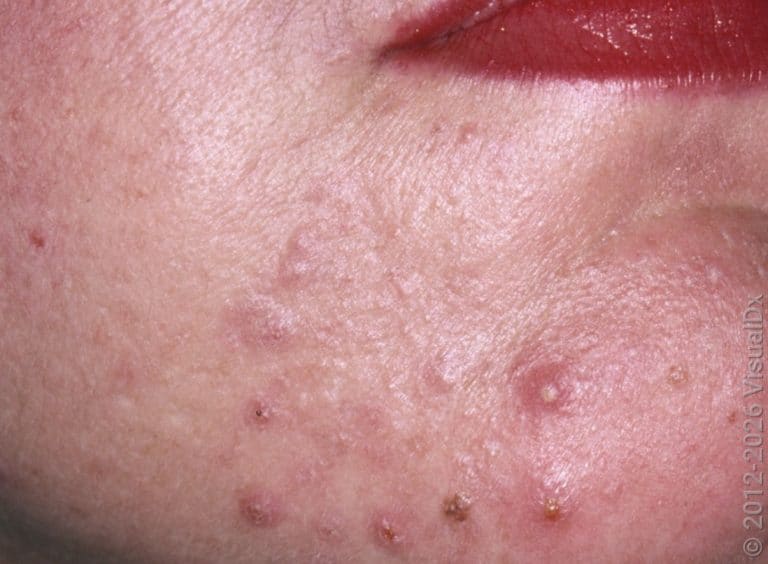
Exfoliation helps remove some of the cells that build up on the skin’s surface and can improve radiance, texture and how well other products penetrate. However, it isn’t an essential step, and it shouldn’t be done the same way on every skin type: skin with acne, dark spots or uneven texture may benefit from it, while reactive skin, or skin in the middle of a flare-up, calls for more caution.
In this episode of Dermothèque, Sofía de Asís and I explain the differences between chemical, enzymatic and physical exfoliants. We talk about AHAs, BHAs and PHAs, enzymes such as papain and bromelain, and why particle size, shape and material matter in mechanical exfoliants.
We also discuss the environmental impact of the plastic microbeads that used to be common, and the alternatives the industry uses today, such as jojoba beads, cellulose and certain plant-based materials. The key isn’t deciding whether exfoliating is good or bad, but choosing the method, frequency and formula that best suit the actual condition of each person’s skin.